
Reviewed · PETRA TOURS
Petra Back-Road Trail and Hike
Petra’s back-road approach gives you the rare pleasure of seeing the Nabataean city arrive gradually. You begin at Little Petra, cross mountain paths and the Siq Ghorab canyon, pass the old village of Shamasah, and reach the Monastery before entering Petra’s central sights from the inside. The Monastery is the grand reveal, with the Treasury waiting later in the day.
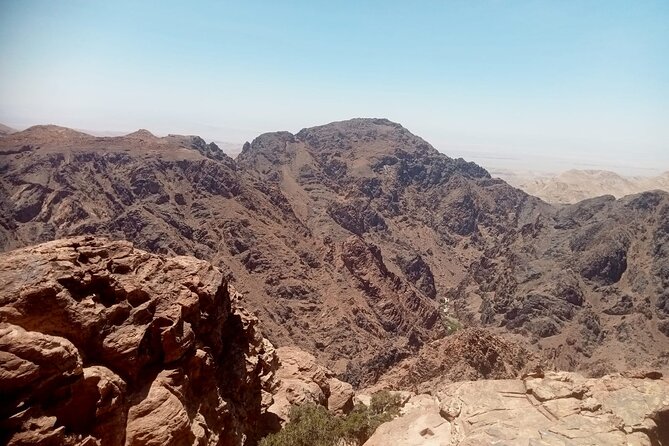
I like the route for two clear reasons: the scenery is part of the tour, not just the transport between monuments, and a small group of up to six makes a long day easier to manage. The views toward Wadi Araba and the west bank mountains add something you miss on a standard entrance route.
The catch is the physical demand and the uneven guide quality suggested by the mixed 4.2 rating from five published reviews. One strong review praised the back-door route and its views, while one unhappy guest felt the historical explanation did not meet expectations. Ask who will guide your group and exactly which admission costs are included before paying.
Key points to know before you book
- The route starts at Little Petra: Begin with Siq al-Barid, its rock-cut rooms, old temples, and painted houses.
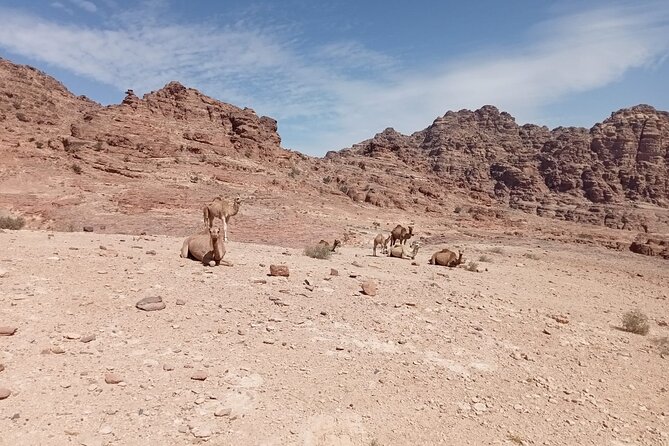
- Siq Ghorab is the back door: This large canyon leads toward Shamasah and the high route into Petra.
- The Monastery comes early: You reach one of Petra’s biggest monuments before continuing through the main city.
- Expect a full hiking day: The tour lasts about 8 to 9 hours and requires moderate physical fitness.
- The group limit is six: The $380 price is per group, not per person, so the value improves sharply with a full group.
- Some admission details need checking: Several stops are marked as included, while the Royal Tombs and Treasury are marked as not included.
Why this route feels different from standard Petra entry
Most first visits to Petra follow the famous Siq toward the Treasury. This tour reverses the drama. You start at Little Petra, walk through quieter mountain country, reach the Monastery, then work your way into the old city and finish near the main visitor center.
That order matters. The Monastery is a huge Nabataean monument, about 47 meters wide and 48.3 meters high according to the tour information. It was modeled on the Treasury but built on a larger scale. Seeing it after a mountain approach gives the day a strong sense of arrival.
You also get more than a collection of carved facades. The route links several kinds of Petra: prehistoric settlement remains, Nabataean tombs, Roman-era streets, Byzantine buildings, dry canyons, and broad mountain views. I like that mix because it helps you understand Petra as a living city and trade center, not just a famous photograph.
The price is $380 per group of up to six people. For six, that works out to about $63 per person before any separate admissions. For one or two people, it is a much more expensive private outing. The small maximum is a real benefit, but only if your party can share the cost.
More ways to see Petra:
- Amman: Petra, Wadi Rum, and Dead Sea 2-Day Tour
★ 4.9 · 1,173 reviews - 2-Day Tour: Petra, Wadi Rum, and Dead Sea from Amman
★ 5.0 · 1,141 reviews - From Amman: Petra & Wadi Rum Private or group Day Tour
★ 4.9 · 750 reviews
Little Petra and Beidha begin the day
The first stop is Al-Beidha, better known as Little Petra or Siq al-Barid. The name refers to a cold canyon, and the narrow rock passage gives you a smaller-scale introduction to Petra’s carved architecture.
Little Petra is not a second Treasury. Its Siq is much shorter than Petra’s main entrance canyon, and its spaces open and close in quick succession. You can see old temples, rooms cut into the stone, and painted houses. The compact scale makes it easier to notice how the Nabataeans shaped domestic and religious spaces into the rock.
The tour also includes the Neolithic Village of Beidha, described as one of Jordan’s oldest settlements. During the Neolithic period, hunters and gatherers lived there seasonally. That detail gives the opening section a useful time span: you are not simply moving between Nabataean monuments, but passing through evidence of settlement from far earlier periods.
Allow about two and a half hours for this opening stop. That is a substantial amount of time, so this is not a quick photo stop before the real hike. If you prefer a fast start, the opening may feel slow. I think it earns its place because it puts Petra’s later monuments into a much older setting.
Pickup is offered, or you can meet the group at Little Petra. The stated start time is 9:00 a.m. Confirm the meeting arrangement in advance, since beginning at the wrong point could complicate an already long day.
Siq Ghorab leads toward Shamasah
After Little Petra and Beidha, you take the route toward Petra’s main archaeological zone. The striking part here is the change in pace. You leave the compact carved spaces and move into open mountain scenery, then pass through Siq Ghorab, a large canyon on the way to a place called Shamasah.
This is the section that makes the experience a back-road hike rather than a guided walk through Petra’s central monuments. You are walking through the terrain that frames the ancient city, with mountains and canyon walls shaping the route.
Shamasah contains remains of an old village where people lived many thousands of years ago. The information provided for the tour does not give a detailed date range or a full description of the remains, so you should expect an archaeological stop rather than a fully reconstructed village. Its value is in seeing traces of ordinary settlement along a route dominated elsewhere by grand tombs and temples.
The hiking section requires moderate physical fitness. The total day is listed at 8 to 9 hours, and the route includes mountain paths as well as the later stairs around the Monastery. I would treat this as a serious walking day, not a gentle sightseeing excursion.
The Monastery is the day’s main reward
The route continues to Al-Dayr, Petra’s Monastery. You reach it by an old rock-cut path with more than 800 steps from the Basin Restaurant area. Those steps are the clearest practical warning in the entire tour description.
The Monastery is enormous, measuring roughly 47 meters wide by 48.3 meters high in the supplied details. Another description gives figures close to 50 meters wide and 45 meters high. Either way, the point is clear: this is one of Petra’s largest and most imposing monuments.
It was built as a Nabataean tomb in the third century BCE and resembles the Treasury in broad design. Crosses carved into the interior walls suggest later Byzantine use as a church, which explains the name Monastery. The facade is grand, but the setting is just as important. You reach it from the hills rather than meeting it immediately after Petra’s main Siq.
Plan roughly two hours here. That gives you time to recover from the steps, look carefully at the facade, and take in the mountain setting. The tour description calls this a unique chance to discover the huge building of Al-Dayr, and that is fair, provided you are ready for the climb.
The Monastery is also where the guide’s role matters most. A good explanation can connect the Nabataean tomb, later Christian markings, and the route itself. Because one published account criticized the historical context provided, I would ask in advance how much interpretation is included. Do not assume that a private guide automatically means a detailed archaeology lesson.
A few more Petra trips to weigh up
- Dana to Petra Trek + Wadi Rum & the Dead Sea – 9 Days
★ 5.0 · 165 reviews - Petra to Wadi Rum Trek – 6 Days
★ 5.0 · 11 reviews - Jordan Trail: Dana to Petra 4-Day Trekking Tour
★ 4.4 · 7 reviews - Full Day Desert Tour, Jeep & Hiking
★ 5.0 · 98 reviews
Qasr Al-Bint and the Colonnaded Street
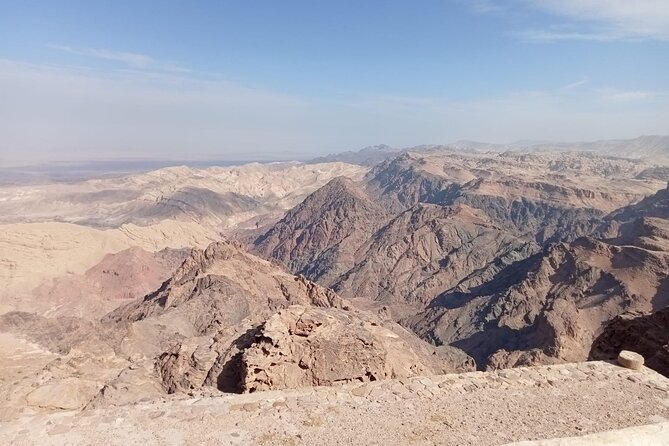
From the Monastery, you continue toward Petra’s central old city. The Colonnaded Street is a useful change from the isolated monuments above. It shows how the city worked as an urban place, with a formal road later renovated during the Roman period.
The street was restored to a width of about six meters in 106 CE. Excavation evidence suggests that buildings one or two stories high once lined it. At the far end is a triple gate opening toward the Qasr Al-Bint shrine.
You are scheduled to spend about an hour in this section. That is enough time to inspect the surviving columns and understand the basic street plan, though many original structures are now reduced to foundations. I find this part valuable because it shifts your attention from dramatic facades to roads, civic space, and the daily movement of people through the city.
The route also takes you past Qasr Al-Bint, one of Petra’s important religious structures. The supplied description names it as part of the route, but does not provide a separate visit duration or detailed interior access. Treat it as one of the central archaeological sights along the way rather than a standalone guided stop.
The Street of Facades and the Royal Tombs
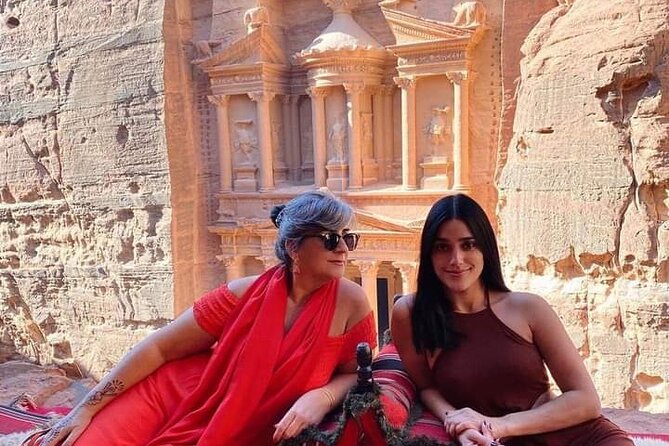
The Street of Facades contains tombs cut into the rock along the sides of the route. One of the notable examples is Tomb 67, which has an upper-story funeral chamber. Unlike some of Petra’s more difficult monuments, these tombs are easy to reach from the street.
The scheduled time is about 30 minutes. That is enough for a concise look at the facades and chambers, but not a slow architectural study of every tomb. If you enjoy carved details, use this time to compare the shapes and decoration rather than rushing directly toward the next major monument.
The Royal Tombs rise above central Petra on the western slope of Jabal al-Khubtha. The group includes the Urn Tomb, Silk Tomb, Palace Tomb, Corinthian Tomb, and Tomb of Sesto Fiorentino.
Reaching the Urn Tomb involves another staircase. The tomb later served as a Byzantine place of worship, adding another example of Petra’s buildings being reused over time. The Silk Tomb is named for the strong shades in its sandstone, while the Palace and Corinthian Tombs are known for their large, formal facades.
The tour allocates about an hour here, but the supplied details mark admission as not included. This is one of the points I would clarify before booking. The Treasury is also marked as not included, while several other stops are marked included. Ask for a precise list of what your $380 covers, especially if your group is budgeting closely.
The Treasury arrives late in the route
The Treasury, or Al-Khazna, is the final major visual payoff described in the route. Its facade is about 40 meters high and includes Corinthian capitals, friezes, figures, and the famous urn at the top.
Local folklore says the urn held a pharaoh’s treasure. The urn was more likely a royal memorial, and the building is generally thought to date from the first century BCE, though its original purpose remains uncertain. The facade has two levels and three chambers, with one central room and two side rooms.
You have about an hour and a half assigned to this area. That is generous enough to see the facade without treating it as a quick stop. After approaching Petra from the back, reaching the Treasury from within the old city gives the day a satisfying change in scale. You have already seen the Monastery in the hills, walked through streets and tombs, and now meet Petra’s most famous facade at the end of the route.
The Treasury is marked as not included in the admission section, so confirm the ticket arrangement. The tour information also says the day ends at Petra Visitor Center. The exact final walking connection should be confirmed, since the route description places the Treasury and visitor center at the end but gives no transport details between them.
Smaller stops: Nymphaeum and Byzantine Church
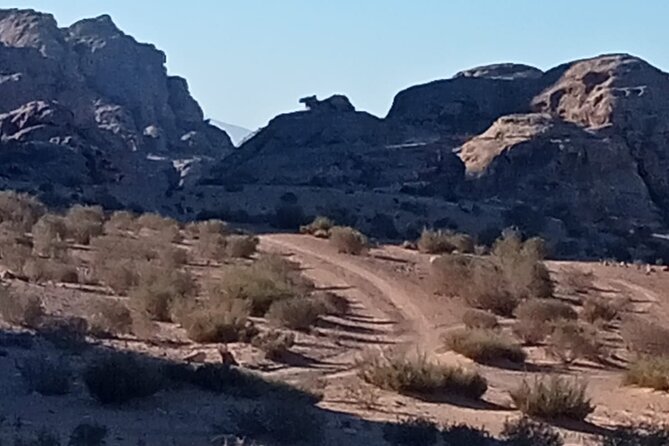
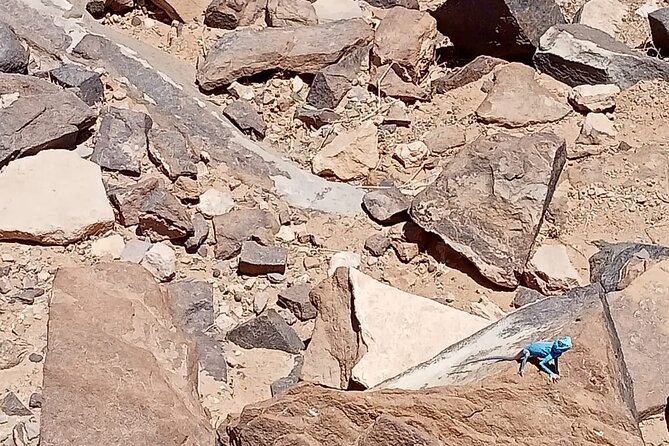
The Nymphaeum is a public fountain along the Colonnaded Street. Only its foundations remain, shaded by a tree, and the planned visit is about 10 minutes.
This is a small stop, but it helps explain the city’s public infrastructure. Petra was not only a collection of tombs cut into cliffs. It also needed water systems, streets, gathering places, and civic features. Do not expect a complete fountain structure. The interest is in the location and function.
The Byzantine Church is another brief stop, also about 10 minutes. Its remains date from the sixth or eighth century according to the supplied information, and it was not discovered until the 1990s.
The church used material from Nabataean and Roman buildings, including elements in its windows, doors, and reliefs. That reuse gives you one more view of Petra’s long occupation. The stop is short, so the guide’s explanation can make a big difference. Without context, you may see little more than walls and fragments. With context, the site shows how the city continued to change after the Nabataeans.
What the $380 group price really means
At $380 for up to six people, this is best understood as a private or very small-group guiding service rather than a cheap entrance ticket. A full group pays about $63 per person. A pair pays $190 each, and a solo booking carries the entire group charge.
The small maximum is useful on a route this long. You can keep a shared pace, hear the guide more easily, and avoid being attached to a large walking party. It also makes the pickup or Little Petra meeting arrangement more manageable.
The price value depends on what is included. The tour offers mobile ticketing and pickup, but admission is listed inconsistently across the stops. Little Petra, Beidha, the Monastery, Colonnaded Street, Street of Facades, Nymphaeum, and Byzantine Church are marked as included in their individual descriptions. The Royal Tombs and Treasury are marked as not included.
That may reflect different ticket rules or a simple presentation issue. Either way, you should get the answer in writing before the day begins. Ask about Petra admission, Little Petra admission, transport, and any separate site fees.
Who should book this Petra hike
I would choose this route if you want Petra to feel like a journey through the hills rather than a direct march to the Treasury. It suits people who enjoy long walks, ancient settlements, changing scenery, and a full day outdoors.
It is also a good fit for a group of four to six. The shared price becomes much more reasonable, and the small party size should make the guide’s explanations easier to follow.
I would hesitate if your priority is a gentle visit with minimal climbing. The 800-plus steps to the Monastery, additional stairs near the Royal Tombs, and 8 to 9 hour duration make this demanding. Moderate physical fitness is specifically required.
The tour also may not suit you if you want a highly academic guide without confirming the arrangement first. The published rating is 4.2 from five reviews, with both strong praise for the route and one serious complaint about the quality of historical explanation. Ask for the guide’s name and background, since no guide name is supplied here.
Service animals are allowed, and the meeting area is near public transportation. The activity requires good weather. You can cancel at least 24 hours before the start for a full refund, but changes or cancellations inside that window are not accepted. If poor weather forces cancellation, you are offered another date or a full refund.
Should you book the Back-Road Trail?
Book it if you want the back-door route, the mountain views, and the Monastery before the Treasury. The route offers a fuller day than a standard Petra highlights walk, and the price can be fair when split among six people.
Skip it if you have limited mobility, dislike steep stairways, or want a short visit focused only on the Treasury. Before booking, confirm the guide, the exact pickup point, and every admission included in the $380 price. Those three answers will tell you whether this is a well-supported private hike or simply an expensive way to cover a lot of ground.
FAQ
Where does the Petra Back-Road Trail start?
You can arrange pickup, or meet the group at Little Petra. The stated start time is 9:00 a.m.
How long does the experience last?
The tour takes approximately 8 to 9 hours.
How many people can join one booking?
The maximum is six people. The price of $380 applies to the group, not to each individual.
What level of fitness is required?
You should have a moderate level of physical fitness. The route includes mountain hiking and more than 800 steps leading to the Monastery.
Does the route include Little Petra?
Yes. You visit Little Petra, also called Siq al-Barid, and the Neolithic Village of Beidha before beginning the back-road hike.
Will I visit the Monastery and Treasury?
Yes. The route reaches the Monastery, then continues through Petra’s central sites to the Treasury before finishing near the Petra Visitor Center.
Are entrance tickets included?
The stop details mark admission as included for several locations, including Little Petra, Beidha, the Monastery, Colonnaded Street, Street of Facades, Nymphaeum, and Byzantine Church. The Royal Tombs and Treasury are marked as not included, so confirm the complete ticket arrangement before booking.
What happens if the weather is poor?
The experience requires good weather. If it is canceled because of poor weather, you will be offered another date or a full refund. You can also cancel up to 24 hours before the start time for a full refund.
Just added around Petra
- From Amman | Dead sea and Petra in one day | Admission Fees Included★ 5.0 · 3 reviews
- 4-Days tour : Jerash, Amman, Petra ,Wadi-rum& Dead-sea.★ 5.0 · 3 reviews
- 2-Night Private Wonder Tour of Petra and Wadi Rum Overnight from Amman★ 5.0 · 3 reviews
- Transfer from Aqaba Airport to Petra★ 5.0 · 3 reviews
- Petra & Wadi Rum Tour from Eilat Border for 03 Days★ 5.0 · 3 reviews
- Petra Day Tour from Aqaba Port (Shore Excursion Petra) – JHT★ 5.0 · 3 reviews
- Full-Days Tours Petra from Amman★ 5.0 · 3 reviews
- Transfer Amman To/From Petra★ 5.0 · 3 reviews
Petra Tours, compared.
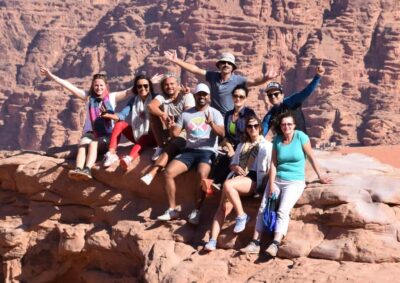
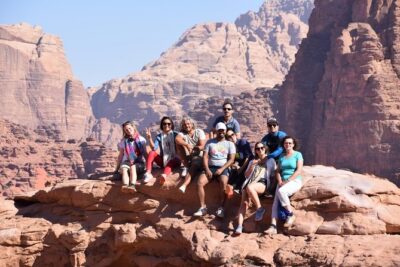
2-Day Tour: Petra, Wadi Rum, and Dead Sea from Amman
Read our review →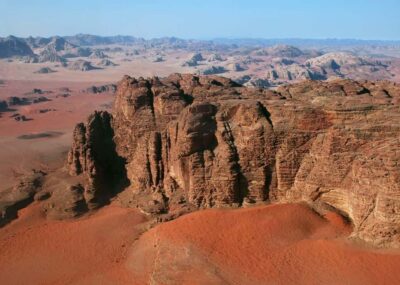
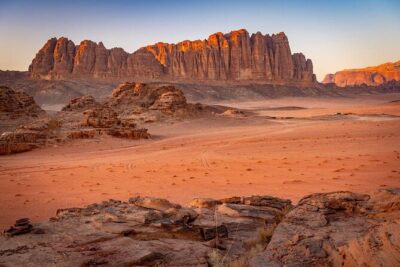
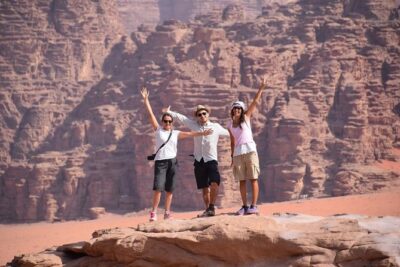
2-Day Petra, Wadi Rum and Dead Sea Tour from Amman
Read our review →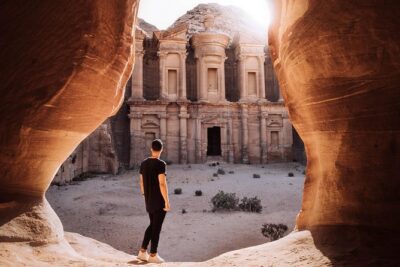
3-Day Private Tour from Amman: Petra, Wadi Rum, Dana, Aqaba, and Dead Sea
Read our review →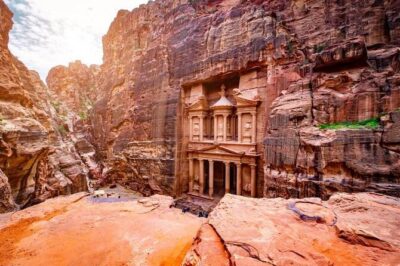
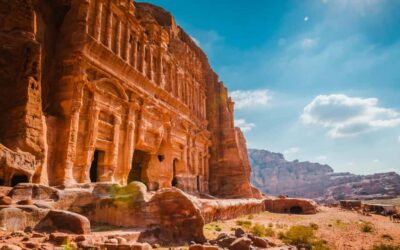
Petra & Wadi Rum: Full Day Private Tour with Hotel Pickup
Read our review →Browse the lists this tour appears in